
Loading...
Serving Fontana, CA and surrounding areas. (909) 587-5725
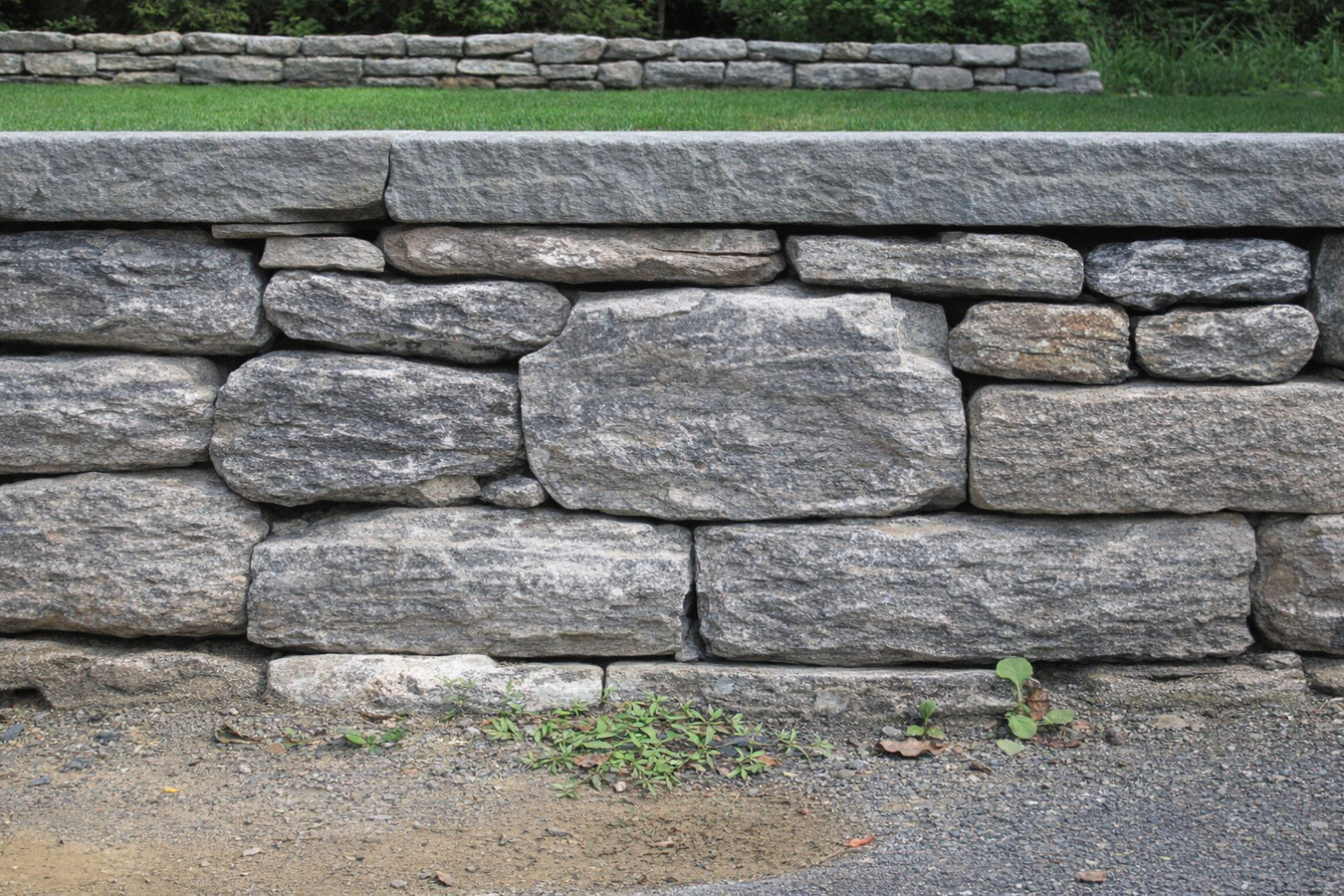
Crumbling retaining walls, failing stone veneers, and dated front entries are fixable. Stone masonry built for Fontana's clay soils and seismic zone will hold its shape and value for decades without constant upkeep.
Stone masonry in Fontana covers building and repairing structures using natural or manufactured stone - from retaining walls and boundary walls to veneer on home exteriors, fireplace surrounds, and patio features. Most residential projects take one to five days of hands-on work, with the full timeline from permit to completion typically running two to four weeks depending on project size and whether city approval is required.
Fontana homeowners reach out about stone masonry for many reasons. Some have a retaining wall that started leaning after a wet winter. Others want to upgrade a dated front entry or replace a failing stucco veneer with natural stone. Some are building something new - a garden wall, an outdoor room, or a fireplace feature. Whatever the starting point, stone masonry in Fontana requires specific knowledge of local soil conditions, seismic requirements, and heat management during installation.
Stone projects often connect to other masonry work on the same property. Homeowners finishing a full outdoor space frequently combine stone walls or veneers with brick pointing on adjacent brickwork, or start with a stone feature and later add stone veneer installation on additional home surfaces.
If a stone retaining wall on your property is starting to tilt forward or shows a curve in the middle, the wall is under stress it cannot handle. In Fontana's hillside neighborhoods, this often happens after a wet winter when water-saturated soil pushes against the wall. A leaning retaining wall can fail suddenly - do not wait for the next rainy season to have it looked at.
Run your finger along the joints between stones on any older wall or fireplace. If the mortar crumbles, flakes off, or has visible gaps, water is getting in. Fontana's hot, dry summers followed by winter rain cycles accelerate mortar breakdown faster than in coastal climates, meaning older stonework here needs more frequent attention than standard maintenance guides suggest.
That chalky white residue on stone walls or steps is called efflorescence - mineral salts left behind when water moves through masonry and evaporates at the surface. It is a sign that water is getting into the stone or mortar somewhere it should not be. Left unaddressed, it usually signals that more water damage is already underway behind the visible surface.
Individual stones that have moved, cracked through the middle, or pulled away from the surface behind them indicate the structure has been compromised. In Fontana, this can happen after an earthquake or after years of soil movement from the area's expansive clay. A mason can assess whether individual stones can be reset or whether a larger repair is needed before the problem spreads.
We build and repair stone structures for residential and light commercial properties throughout Fontana and the surrounding Inland Empire. New construction projects start with footings sized for local soil conditions - Fontana's expansive clay requires careful footing design, and hillside lots near the San Gabriel Mountains often require drainage built into the structure from the start. We install natural stone such as fieldstone, granite, limestone, and travertine, and manufactured stone veneer panels for applications where weight or cost is a factor. Every structural project that requires a permit goes through the City of Fontana Building and Safety Division, and we handle the permit application and inspections as part of the job. For repairs, we start by assessing how deep the mortar failure goes and what caused it - drainage failure, soil movement, or heat-related mortar breakdown - before deciding whether spot repair or a more complete rebuild is the right answer.
Many homeowners combine stone masonry with other services on the same visit to keep the property looking consistent and to avoid scheduling multiple contractors. We frequently pair stone wall or veneer work with brick pointing on adjacent brick chimneys or walls that need mortar refreshed at the same time, and with full stone veneer installation on additional home surfaces where the homeowner wants to extend the stone aesthetic beyond one feature.
Suits homeowners with sloped lots in Fontana's foothills who need a structurally sound wall that handles drainage, seismic loads, and the visual demands of a street-facing installation.
Suits homeowners who want to update the look of a stucco or block exterior by adding a natural stone finish to the front elevation, entry, or accent sections of the home.
Suits homeowners who want a low decorative wall to define a planting area, terrace a slope, or add structure to an outdoor space without the formality of a full retaining wall.
Suits homeowners who want natural or manufactured stone around an indoor fireplace, an outdoor fire pit, or a built-in barbecue area where the material will be in close view.
Fontana sits at the base of the San Gabriel Mountains in a seismically active region of Southern California. California building code requires specific reinforcement techniques for masonry walls in earthquake-prone areas - steel rebar set into the footing and running through the wall, with hollow spaces filled with grout. This is not optional. A stone wall or retaining wall built without this reinforcement may look fine from the street but will not pass a city inspection and can be ordered removed. Beyond seismic requirements, much of Fontana sits on expansive clay soils that swell when wet and shrink when dry. That cycle stresses footings, shifts stone structures over time, and is why homeowners in the area are more likely to see retaining walls lean or stones separate after a wet winter than homeowners in areas with more stable soil. The California Geological Survey seismic hazard zone maps confirm that Fontana falls in a designated hazard zone, which is why building to current code here is not just good practice - it is a legal requirement.
Fontana's summer heat adds another layer of complexity. Triple-digit temperatures from June through September affect how mortar cures. Mortar laid in extreme heat without proper hot-weather precautions - early starts, shade, misting - can crack before it ever reaches full strength. Contractors who work primarily in cooler coastal markets may not know to account for this. We also serve neighboring communities across the Inland Empire, including Riverside and Rancho Cucamonga, where similar soil and climate conditions shape how every stone project needs to be designed and built.
We respond within one business day. We will ask about the project type, rough size, and whether you have any photos. Most stone jobs cannot be quoted accurately over the phone, so we schedule a free on-site visit rather than guess.
We walk the property with you, check soil and drainage conditions, measure the area, and discuss stone options. You receive a written estimate that separates labor and materials so you can see exactly what you are paying for - no bundled numbers.
For retaining walls, structural work, or any project requiring a city permit, we submit the application to the City of Fontana Building and Safety Division. Permit review typically takes one to three weeks. If your neighborhood has an HOA, we can help you prepare what is needed for their review.
The crew delivers stone, prepares the site, and builds the structure layer by layer. When the work is done we clean up, walk the finished project with you, and explain the mortar curing window - typically 24 to 48 hours before foot traffic and up to 28 days to reach full strength.
We respond within one business day. No obligation, no pressure - just a clear written quote you can compare.
(909) 587-5725We serve Fontana and 11 surrounding communities across the Inland Empire. That range means we know the soil conditions, HOA expectations, and permit timelines specific to each area - not just a single zip code.
California requires seismic reinforcement in masonry walls above certain heights. We build this in as a standard part of every applicable project. The industry standards that govern this work are maintained by the Mason Contractors Association of America.
Fontana's clay-heavy soil expands and contracts with every wet-dry cycle. We ask about your lot conditions before we estimate, and we design footings to handle that movement - not a generic spec that works fine on stable soil but fails here.
We provide a written quote that breaks down labor and materials separately. We do not start work until you have approved it. There are no surprise line items when the invoice arrives - you see the full scope and cost before a single stone is moved.
Fontana stone masonry projects require a contractor who understands local soil, seismic code, permit timelines, and hot-weather installation. Every project we take on is built to those conditions from the first footing to the final walkthrough.
Refresh failing mortar joints on existing brickwork before water damage reaches the structure behind the wall.
Learn moreAdd a natural or manufactured stone finish to home exterior surfaces, columns, or accent sections for a complete updated look.
Learn moreSpring and fall book quickly in the Inland Empire - reach out now to lock in your estimate and get on the schedule before the summer heat window closes.