Loading...
Serving Fontana, CA and surrounding areas. (909) 587-5725
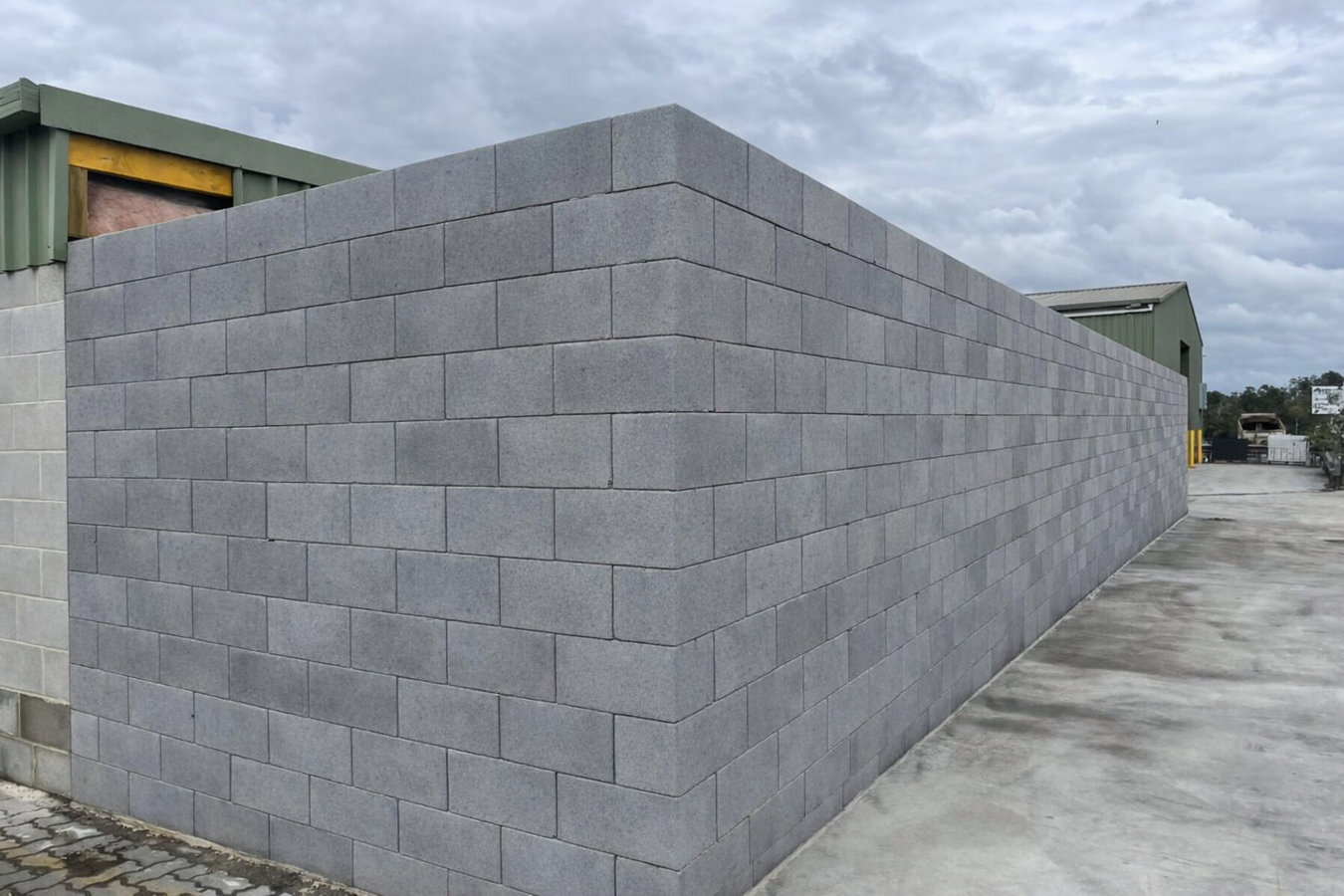
Steel-reinforced block walls built for Fontana's seismic zone and clay soils, fully permitted and inspected so they stand for decades without leaning or cracking.
Concrete block wall construction in Fontana starts with a poured concrete footing, then block laid in overlapping rows with steel rods through the cores and poured concrete filling each one - most standard property-line or garden walls 50 to 100 linear feet long take a crew two to four days from start to finish, while retaining walls with engineered footings can run a week or more. Every wall over a certain height in Fontana requires a city permit, and the seismic reinforcement is verified by inspection.
Fontana homeowners reach out about block walls for two main reasons: something is wrong with an existing wall - it is leaning, cracking, or failing to hold back soil - or they are building something new, like a privacy wall, a retaining wall for a sloped yard, or the structural base for an outdoor living space. Both start in the same place: a site visit to understand the soil conditions, wall height, and what the wall needs to do. The soil here is clay-heavy, which means footings have to be designed for movement, not just weight.
Block walls often serve as the structural base for other masonry finishes. We regularly pair block wall construction with foundation block wall installation and retaining wall construction when the project scope calls for it, keeping the job on a single schedule instead of coordinating multiple contractors.
Stand at one end of your block wall and look down its length. A wall that curves, leans, or bows - even slightly - is telling you the soil pressure has become too much for the structure to handle. In Fontana's clay-heavy soils, this can happen faster than homeowners expect after a wet winter. A leaning wall is a safety hazard, not a cosmetic issue - do not wait until it falls.
Small hairline cracks can be normal as a wall settles, but cracks wider than a pencil tip, diagonal cracks, or cracks appearing in multiple places are warning signs. In the Inland Empire, the combination of seismic activity and expansive clay soil means cracks can grow quickly once they start. A masonry contractor can assess whether a crack is structural or cosmetic - most will look at it at no charge.
A retaining wall that does not drain properly will eventually fail. If you see water staining on the wall face, soil washing out from behind it, or puddles forming at the base after rain, the drainage system behind the wall has broken down. Fontana's periodic heavy winter rains can expose this problem fast, and letting it continue accelerates the wall's structural decline.
Many older Fontana homes - particularly those built before privacy walls were standard on most lots - have open rear or side yards. If you want a durable, low-maintenance way to add privacy, reduce road noise from nearby streets, or simply define your property, a concrete block wall is the most common and cost-effective solution in this part of the Inland Empire.
We build three main types of block walls in Fontana: property-line privacy walls, retaining walls for sloped yards, and structural walls that serve as the base for outdoor living spaces. Property-line walls are straightforward - they define your lot, reduce noise, and add visual privacy. Retaining walls are more involved because they hold back soil that is actively pushing against them, which means deeper footings, more steel reinforcement, and drainage built into the design from the start. Every retaining wall in Fontana should have a drainage system behind it - without one, the hydrostatic pressure from Fontana's clay soils after a wet winter will cause the wall to fail far ahead of schedule.
For outdoor living projects, block walls form the structural skeleton that other finishes - stone veneer, stucco, concrete caps - get applied to. We commonly work on this type of project in combination with foundation block wall installation and retaining wall construction, which lets us build complex outdoor structures on a single coordinated schedule. All wall types come with the same foundation: proper footing depth for Fontana's clay soils, seismic-grade steel reinforcement through every core, and a permit from the City of Fontana.
Suits homeowners who want a durable, low-maintenance perimeter wall to add privacy, reduce noise, or define their lot.
Suits homeowners with sloped yards who need to hold back soil, create a level outdoor area, or stop erosion after rain.
Suits homeowners building an outdoor kitchen, BBQ island, or raised planter that needs a solid masonry base before finishing.
Suits homeowners whose current block wall is leaning, cracking, or has failed drainage that is causing ongoing structural problems.
Fontana sits close to the San Andreas and San Jacinto fault systems, making it one of the more seismically active locations in Southern California. Any block wall here that is more than a few feet tall must be reinforced with steel through the core blocks - a standard that is enforced by city inspection, not just stated in the contract. Beyond seismic requirements, much of Fontana and the surrounding Inland Empire sits on expansive clay soils that swell when wet and shrink when dry. That movement puts real pressure on a wall's footing and base over time, and contractors who do not account for it build walls that start to lean or crack within a few years. We design every footing with local soil conditions in mind.
HOA rules are another factor in Fontana, particularly in the newer planned communities in the south and west of the city. Many associations have guidelines about wall height, color, and finish that go beyond city code. A wall that passes the city inspection but violates HOA rules creates a second set of headaches. We ask about HOA requirements upfront so the wall we build satisfies both. We serve homeowners across the wider region, including San Bernardino and Rialto, where the same clay-soil and seismic conditions apply.
We will ask a few basic questions - the wall's approximate length and height, whether it needs to hold back soil, and whether there are existing problems with a current wall. We schedule a site visit to look at the grade, soil conditions, and access before giving you a written, itemized quote. We do not give firm prices over the phone without seeing the property. Expect a reply within one business day.
If your project requires a permit - which most Fontana block walls do - we handle the application and coordinate the inspection schedule from start to finish. Before any digging begins, we mark utility lines as required by California law, protecting you from accidental damage to buried pipes or cables. We include permit fees in the written estimate so there are no surprises.
The crew begins by digging a trench and pouring the concrete footing - the most important part of the job and the step that determines how the wall performs over decades. Once the footing sets, we stack blocks in overlapping rows, run steel rods through the cores, and fill them with poured concrete. We check for plumb throughout so the wall stays perfectly vertical.
After the last block is set, we clean up debris and coordinate the city inspection if a permit was pulled. The wall needs a few weeks to reach full strength - avoid leaning heavy objects against it or backfilling soil aggressively right after completion. We will walk you through what to avoid in the first few weeks before we leave the site.
Written, itemized quotes that include materials, labor, permit fees, and cleanup. No changes without your written approval first.
(909) 587-5725We design every footing with Fontana's expansive clay soils in mind - not a generic footing depth that works in sandier regions. That means the wall we build for you does not start to lean or crack three years after the job when the clay shifts through its wet-dry cycle. We ask about slope and drainage before any design is finalized.
Every block wall we build in Fontana includes steel reinforcement through the cores and poured concrete fill, which is required by the city's building code and verified by inspection. A wall without it is cheaper to build but far more likely to fail during ground movement. We never skip this step, and the inspection record proves it.
We handle the City of Fontana permit process from application through final inspection sign-off - you will not need to call the Building and Safety Division at any point. The permit fees are included in your written quote upfront. According to the Masonry Institute of America, permitted work adds documented value to your property and avoids compliance issues at resale.
We serve all 12 cities in our service area across the Inland Empire, which means we bring consistent knowledge of regional permit requirements, clay-soil conditions, and HOA patterns to every job. You are not our first Fontana block wall, and your project benefits from everything we have learned on the ones that came before it.
Soil knowledge, seismic reinforcement, permit management, and consistent pricing - those four things together are what make a block wall project in Fontana go well rather than poorly. That is what we bring to every job.
Masonry standards reference: Masonry Institute of America. Concrete standards: Portland Cement Association. Fontana permit office: City of Fontana Building and Safety Division.
Structural block wall installation designed to support foundations, raised structures, and load-bearing outdoor builds.
Learn moreEngineered retaining walls that hold back sloped soil, prevent erosion, and create level outdoor spaces on Fontana lots.
Learn moreSpring is the busiest season for block wall projects - contact us now and we will get your site visit scheduled within one business day.