
Loading...
Serving Fontana, CA and surrounding areas. (909) 587-5725
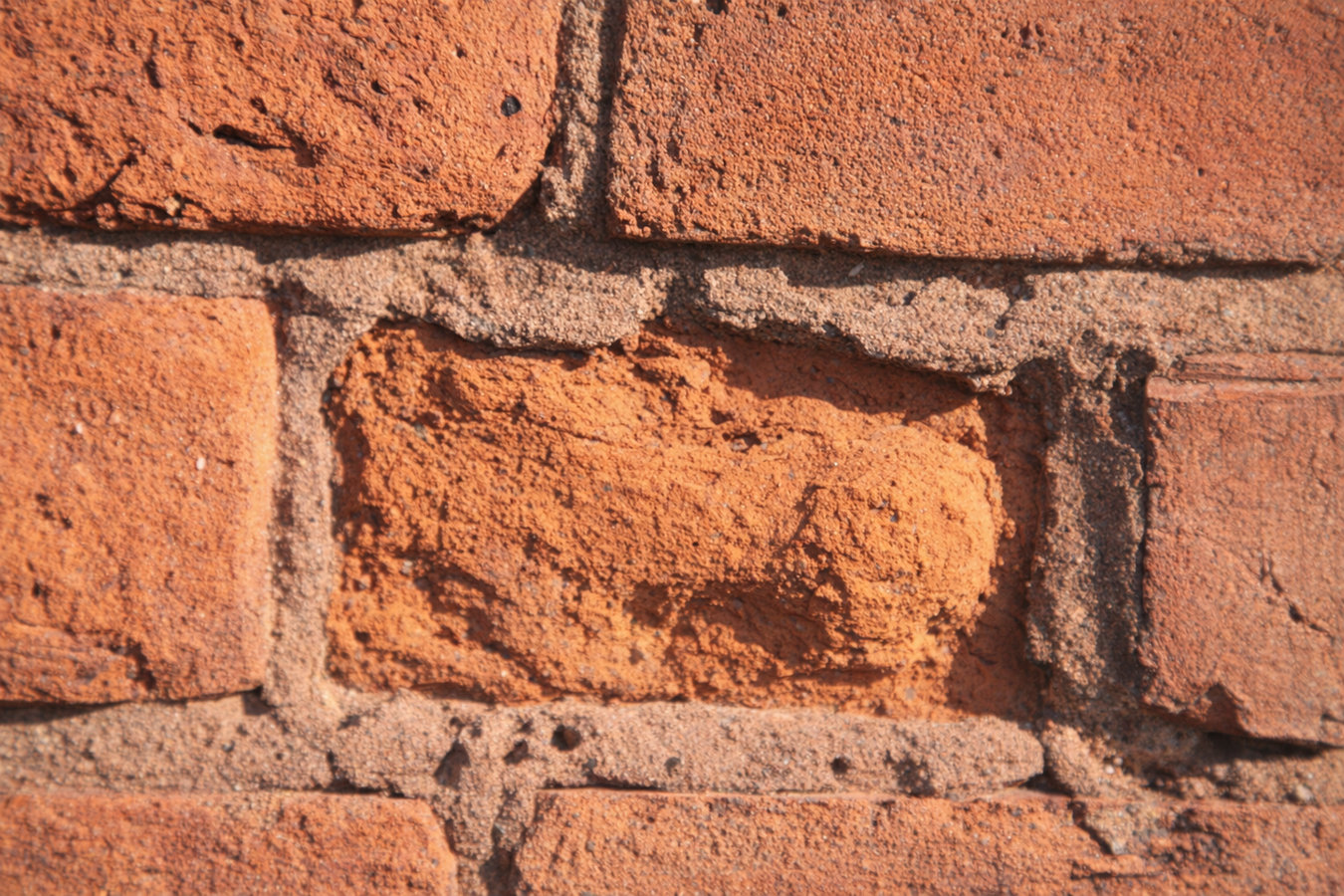
Crumbling mortar joints let water into your walls and get worse with every hot summer and Santa Ana wind season. Fresh pointing with the right mix for your home stops the damage before it becomes a full wall rebuild.
Brick pointing in Fontana means carefully removing old, crumbling mortar from the joints between bricks to a depth of about three-quarters of an inch, then packing in fresh mortar matched to your wall, and tooling it to a clean finish. Most residential jobs - a chimney, a single wall panel, or a section of exterior brickwork - take one to four days. Brick can last well over a century, but the mortar between bricks is designed to be softer and typically needs attention every 25 to 50 years.
Fontana homeowners with mid-century homes are in the window where original mortar is 40 to 70 years old and often showing signs of breakdown. The city's intense summer heat and dry Santa Ana winds accelerate mortar erosion faster than in coastal areas, meaning Fontana brickwork needs more frequent inspection than national maintenance guides suggest. Failing mortar joints are one of the most common ways water enters homes in the Inland Empire - through irrigation overspray, occasional heavy rain, and condensation.
Brick pointing is often part of a broader maintenance visit. Homeowners frequently pair it with foundation repair when water intrusion has reached the base of the structure, or schedule it alongside tuckpointing on decorative brickwork that needs both mortar replacement and a finish color match.
Run your finger along the mortar lines between your bricks. If the material crumbles away easily, feels soft, or you can see visible gaps or holes, the mortar has broken down and is no longer keeping water out. This is the clearest sign that pointing work is overdue - and in Fontana's climate, waiting another season will accelerate the damage.
A chalky white residue on the face of your bricks - called efflorescence - means water is moving through the wall and carrying dissolved salts to the surface. In Fontana's dry climate, this can happen when irrigation overspray or winter rain pushes moisture through compromised joints. It is a warning sign, not just a cosmetic issue.
Given Fontana's mid-century housing stock, many homes in the area have original mortar that is now 40 to 70 years old. Even if it looks acceptable from a distance, mortar that old is likely brittle and may be failing in ways you cannot see from the ground. A professional inspection is worth scheduling before visible damage appears.
If you are seeing water stains on interior walls or ceilings near a brick chimney or an exterior brick section, failing mortar joints are one of the first things to rule out. Water does not need a large gap to get in - even a hairline crack in a mortar joint can channel enough moisture to cause interior damage over time. Finding the entry point early prevents much larger repair costs later.
We assess and repoint brickwork on chimneys, exterior walls, garden walls, entry features, and decorative brickwork throughout Fontana. The assessment step matters as much as the application. Before we grind out a single joint, we check what type of mortar was originally used - particularly on homes built before the mid-1980s, which often have softer mortar formulations than modern standards. Using the wrong replacement mix on an older wall can cause bricks to crack over time, because the wall needs the mortar to flex and absorb stress rather than the bricks themselves. We choose a replacement mix based on what we find, not a default formula. The Brick Industry Association publishes the technical standards that govern mortar selection - we follow those guidelines on every project.
Brick pointing often makes sense to combine with related masonry work on the same property. Homeowners dealing with extensive mortar failure sometimes schedule brick pointing alongside foundation repair when water has reached the lower structure, or pair it with tuckpointing on a decorative chimney or feature wall that needs both mortar replacement and a color-matched finish. Handling both in one visit keeps material choices consistent and avoids the scheduling overhead of two separate contractors.
Suits homeowners whose chimney mortar is showing cracks or gaps and who want to stop water infiltration before it reaches the firebox or interior framing.
Suits homeowners with mid-century brick veneer or brick-faced exterior walls where original mortar is 40 or more years old and beginning to crumble or gap.
Suits homeowners with low garden walls, raised planters, or short retaining walls where joint erosion is allowing water to undermine the structure.
Suits homeowners with localized mortar failure - a single wall section or a chimney face - who do not need a full wall assessment but want targeted repairs done correctly.
Fontana's climate puts mortar under stress from multiple directions. Summer temperatures regularly exceed 100 degrees, and the daily swing between hot daytime highs and cooler nights causes mortar to expand and contract in a cycle that wears it faster than in mild coastal areas. Santa Ana wind events - common from October through February - carry fine grit that sandblasts exposed mortar surfaces, particularly on east and northeast-facing walls. Fontana's housing stock adds another layer: a large share of residential properties were built between the 1950s and 1980s, putting original mortar at 40 to 70 years old across much of the city. Homeowners should inspect brickwork every 15 to 20 years rather than waiting for the 25-to-50-year national average. By the time mortar is visibly crumbling in Fontana, water has usually already been getting in for a while.
HOA rules are a practical consideration in many Fontana neighborhoods. Planned communities in the Southridge and Victoria Gardens areas have guidelines around exterior mortar color and finish, and some require approval before work begins. We are familiar with these expectations and can match mortar color closely to what is already on the wall. We work across the wider Inland Empire as well, including Rialto and San Bernardino, where similar climate conditions and mid-century housing stock make brick pointing a common service need.
We respond within one business day. We will ask where the brickwork is located, roughly how large the area looks, and whether you have noticed any water damage inside. We schedule a free on-site visit rather than quote over the phone - the depth of mortar failure and surface accessibility both affect the price in ways that are impossible to assess remotely.
We walk the wall or chimney with you, check how deep the mortar damage goes, assess the original mortar type, and measure the area. You receive a written estimate that explains what is included and what the work will cost - no bundled totals that hide what you are paying for.
The crew grinds or chisels out old mortar carefully - this is the noisiest part of the job, but it is done outside so you do not need to leave the house. Fresh mortar is then packed into each joint by hand and tooled to a clean finish that sits slightly recessed from the brick face, which is the correct finish for weatherproofing.
We clean the brick face when the work is done and walk the finished area with you before leaving. New mortar needs to stay dry for at least 24 to 48 hours and should not be hit by sprinklers or pressure washing for several weeks. We tell you exactly what to avoid and for how long - protecting the work you just paid for.
We respond within one business day. No obligation - just a clear written quote and an honest assessment of what your brickwork actually needs.
(909) 587-5725Fontana's housing stock includes a large share of homes built before 1985. Applying a modern, hard mortar to older brick causes the bricks to crack rather than the mortar absorbing stress. We assess the original mix before we choose the replacement - it is one of the most important steps in a pointing job and one that less careful contractors skip.
Mortar applied in triple-digit Inland Empire heat without precautions will crack before it cures. We schedule work for cooler parts of the day and take steps to slow the drying process. This is not an extra service - it is how the work should be done here every time.
We work across Fontana and 11 surrounding communities in the Inland Empire. That range means we understand the mid-century housing stock, the HOA mortar color expectations, and the wind-exposure patterns that affect which wall faces wear fastest in this region.
We walk the finished work with you before we pack up - not a quick handshake at the truck. You see the joints up close and can ask questions while we are still on site. The California Contractors State License Board requires licensed contractors to stand behind their work, and verifying a license takes about two minutes at the CSLB license check page.
Brick pointing in Fontana is not just maintenance - it is protecting a home that has to deal with heat, wind, and soil movement that coastal contractors rarely encounter. Every job we take on is approached with those conditions in mind from the first inspection to the final curing instructions. Homeowners dealing with decorative brickwork often pair it with tuckpointing when color-matching the finish matters alongside the weatherproofing.
Address water damage that has already reached the base of your home's structure after years of mortar failure.
Learn moreRestore and color-match mortar joints on decorative brickwork where both weatherproofing and finished appearance matter.
Learn moreFall wind events and winter rain put fresh stress on compromised mortar joints every year - get an estimate now and protect your brickwork before the damage goes deeper.