Loading...
Serving Fontana, CA and surrounding areas. (909) 587-5725
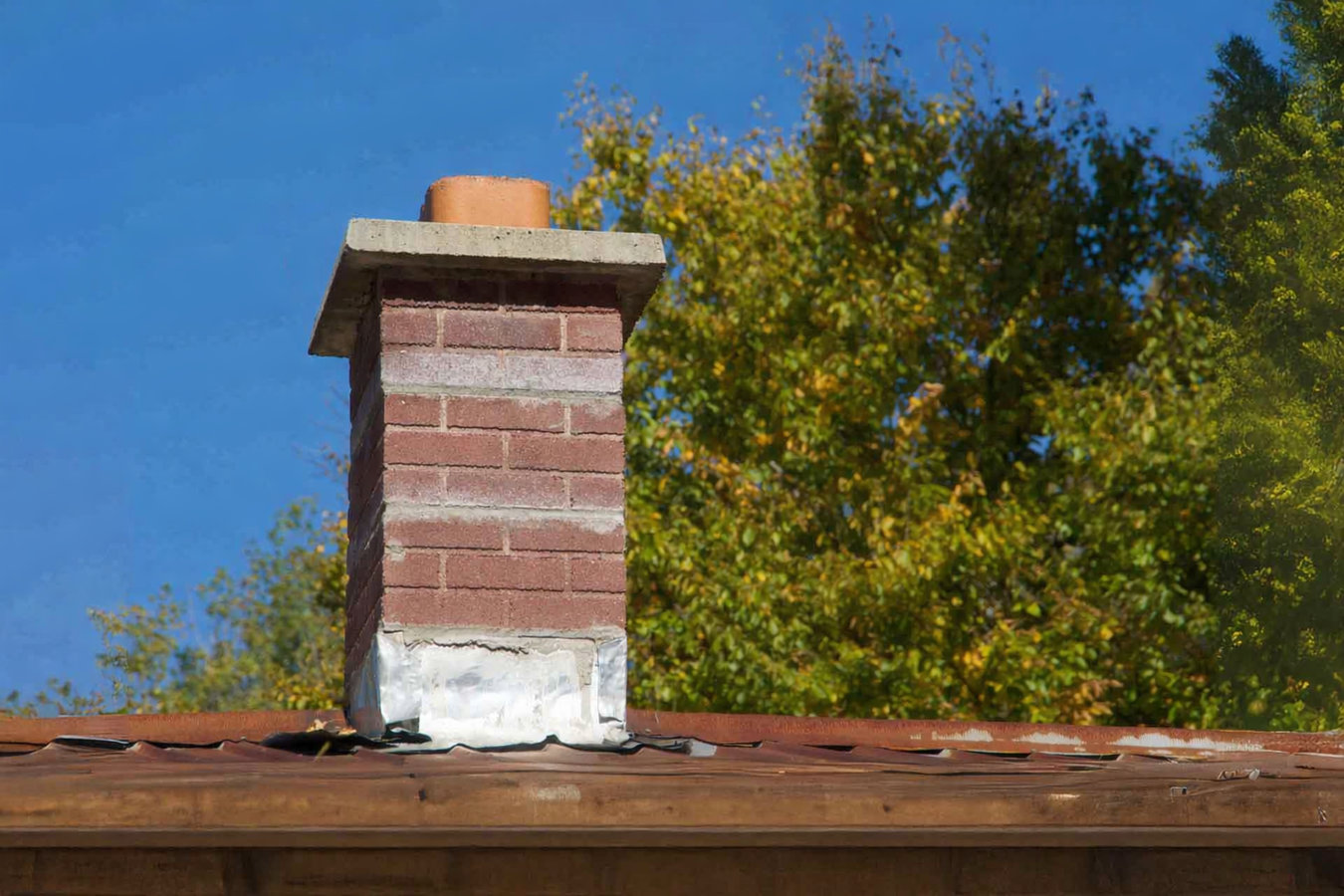
Fontana's hot summers crack mortar and its wet winters push water into those cracks. We repair chimneys before small damage becomes a safety problem or a major rebuild.
Chimney repair in Fontana addresses mortar deterioration, liner cracks, damaged crowns, and missing caps - most jobs are completed in a single day, and the best time to schedule is before the rainy season arrives. FMA Fontana Masonry repairs chimneys across Fontana and the Inland Empire, with a focus on the conditions that make this area harder on masonry than coastal cities.
The most important part of your chimney is the one you cannot see: the liner running down the inside. A cracked liner lets heat reach the wood framing around your chimney - one of the leading causes of house fires that start in the chimney. Outside, crumbling mortar looks like a cosmetic issue, but it is the entry point for water that will freeze, expand, and push bricks apart over time.
When repairs involve the mortar joints between bricks, our tuckpointing service uses the same masonry technique applied to chimney work - packed fresh mortar into cleaned-out joints to restore the seal and the structural integrity of the brickwork.
That chalky residue - efflorescence - means water is moving through the masonry and depositing minerals on the surface. In Fontana, where chimneys go through extreme dry summers and wet winters, this staining often appears after the first rainy seasons following drought. It is an early warning that the mortar or crown is letting water in.
Check the joints between bricks from the ground using binoculars. Mortar should look solid and continuous. Gaps, dark voids, or loose material mean water is getting in freely. This is common in Fontana homes from the 1980s and 1990s where original mortar is now 30 to 40 years old.
Look up at the top of your chimney. A missing, cracked, or tilted cap means rain and debris are falling straight into the flue. After a Santa Ana wind event, this is one of the first things worth checking - caps can be dislodged by strong gusts and the damage is easy to miss from ground level.
If smoke comes into the room when you use your fireplace, something is blocking or disrupting the path - a collapsed liner section, a bird nest, or structural damage from settling. Do not keep using the fireplace. Carbon monoxide travels with smoke, and a chimney that does not draft properly is a health risk.
We start every chimney repair with an inspection - roof level and inside the firebox - before recommending any work. For a complete liner check, we use a camera on a flexible cable to look down the full length of the flue. This is the only reliable way to see whether the liner is cracked. After the inspection, you get a written estimate with each item broken out so nothing is vague. Structural repairs in Fontana may require a permit, which we handle. For mortar work, we use our tuckpointing and fireplace installation expertise to restore both the chimney exterior and the firebox interior correctly.
The Chimney Safety Institute of America recommends annual chimney inspections even for homeowners who rarely use their fireplace - weather, animals, and settling can cause damage regardless of use. We follow CSIA inspection standards on every job.
For chimneys where mortar joints have crumbled or fallen out between the bricks.
For caps that are missing, cracked, or dislodged by wind or weather.
For the concrete slab at the top of the chimney that is cracked or deteriorated.
For liners that are cracked, collapsed, or damaged by earthquake movement.
For cracks inside the firebox where the fire actually burns.
For chimneys where multiple courses of brick have failed or shifted.
Fontana's climate creates a specific cycle of damage. Summers above 100 degrees dry out and contract mortar and brick. When the rainy season arrives in November, water soaks into those dried cracks and the damage accelerates. Many Fontana homes were built during the city's rapid growth in the 1970s through 1990s - and if yours is from that era, the original mortar joints and chimney crown have likely never been repaired. That age range is right at the point where a visual inspection from the ground can tell you a lot. Look for crumbling mortar, white staining on the brick, or a cracked cap.
The fall wind season adds another layer. Santa Ana winds can gust past 60 mph through Fontana, knocking caps loose and pushing debris into unprotected flues. We also serve homeowners in Rialto and San Bernardino where the same wind patterns and housing age ranges create identical problems. Seismic activity is another factor specific to this region - even minor tremors can crack a liner that looks fine from the outside.
We ask what you have noticed and schedule an in-person inspection. We respond within 1 business day. Most reputable contractors will not give you a price without seeing the chimney first - problems are hard to quote accurately from a description.
We inspect from the roof and inside the firebox. For a liner check, we run a camera down the full length of the flue - the only reliable way to see what is happening inside. We walk you through what we found and show you photos before recommending any work.
You receive a written estimate with each item broken out. If the repair is structural, we tell you upfront whether a permit is required and include that cost. Take time to compare two or three estimates before deciding.
Most repairs finish in a single day. Fresh mortar needs 24 to 48 hours to cure before you use the fireplace. We clean up roof debris before leaving and tell you what to watch for in coming months.
We respond within 1 business day - no obligation, no pressure. After you submit, someone from our office calls to schedule a free on-site inspection at a time that works for you. We will show you exactly what we find before recommending any work.
(909) 587-5725We use a camera to inspect the full length of your liner before recommending anything. You see exactly what we see. That means you make a decision based on actual evidence, not a verbal description of a problem you cannot verify yourself.
We repair chimneys after Santa Ana wind events that knock caps loose and after earthquakes that crack liners without visible exterior damage. Both are common Inland Empire scenarios, and we know what to look for in each case.
We recommend August through October repairs so fresh mortar has time to cure fully before the rainy season. Scheduling in this window is better for the repair and often means shorter wait times than peak spring demand.
After mortar repairs, we apply a breathable waterproof coating that blocks rain without trapping moisture inside the masonry. This is not paint - it lets the brick breathe while extending the life of the new mortar significantly.
Chimney damage in Fontana follows a predictable pattern: extreme summer heat dries the mortar, winter rains exploit every crack, and by the time smoke starts backing into the living room, the repair is significantly more expensive than it would have been two seasons earlier. A free inspection removes the uncertainty.
Restore the mortar joints between bricks on your chimney, walls, or home exterior before cracks let water in.
Learn moreInstall a new masonry fireplace or restore an existing firebox to code with proper liner and hearth construction.
Learn moreFontana chimneys take a beating from summer heat, Santa Ana winds, and winter rains. A free inspection now can prevent a costly liner replacement or rebuild later.