Durable, beautiful paver installations that boost curb appeal and handle heavy use for decades.
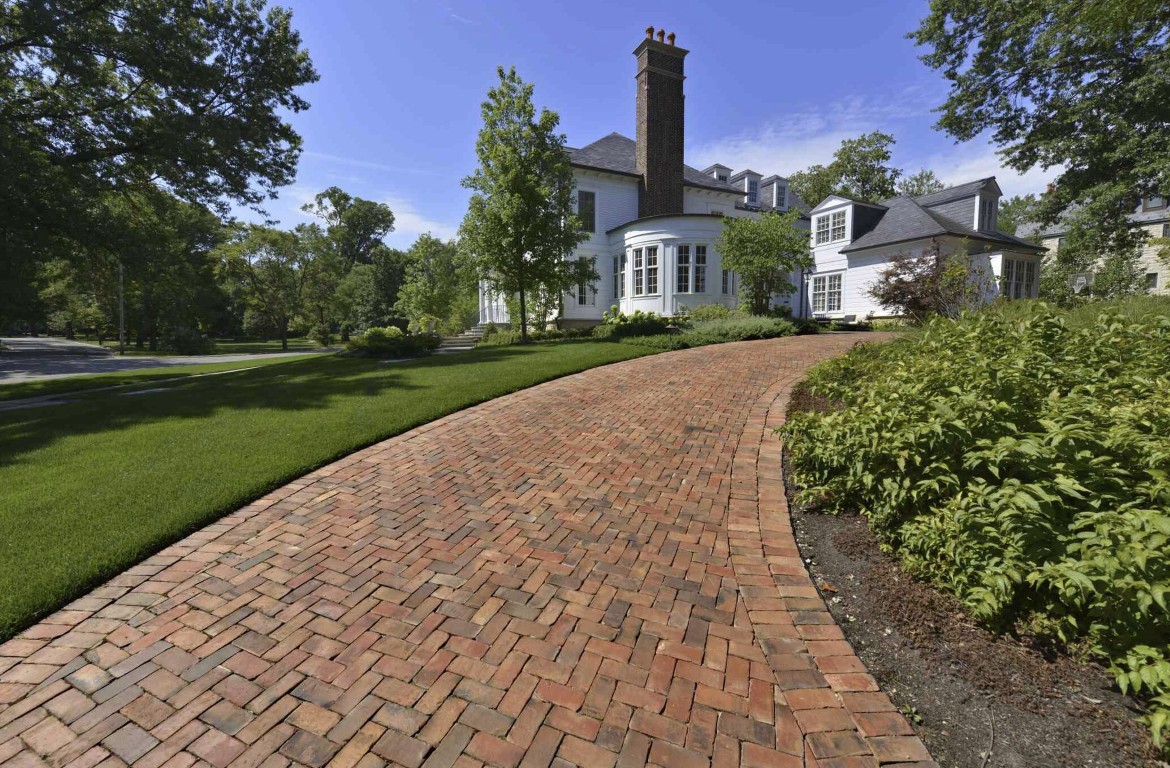
Your driveway and walkways take a beating every single day. They handle car traffic, foot traffic, sun exposure, and everything else the California climate throws at them. Plain concrete cracks and looks dated. Asphalt fades and needs constant maintenance. Pavers give you something better: a surface that looks great, lasts longer, and actually gets easier to maintain over time.
At FMA Fontana Masonry, we install paver driveways, walkways, pathways, and pool decks using high-quality concrete and natural stone pavers. We handle residential and commercial projects of all sizes. Whether you're replacing a cracked driveway or adding a welcoming walkway to your front entrance, we build paver surfaces that last and look amazing.
Fontana homeowners love pavers because they hold up beautifully in our warm, dry climate. They don't crack like concrete, they're easy to repair if damage occurs, and they come in countless colors and patterns. Plus, a well-installed paver driveway adds real value to your home.
Pavers cost more upfront than poured concrete or asphalt, but they deliver better long-term value. Here's why homeowners in Fontana are switching to pavers for their driveways and walkways.
The key to getting these benefits is proper installation. Cheap paver jobs with poor base preparation will fail just as fast as bad concrete. We do it right the first time with proper excavation, compacted base layers, and edge restraints that keep everything locked in place.
We use pavers rated for vehicular traffic on driveways and commercial applications. These are thicker and stronger than patio pavers. Using the right product for the right application ensures your driveway handles daily car traffic without issues.
A paver surface is only as good as what's underneath it. We don't cut corners on base preparation because that's what determines how long your pavers last. Here's our complete installation process.
We excavate to proper depth, typically 10 to 12 inches for driveways and 8 to 10 inches for walkways. We grade everything with proper slope for drainage. Water should always flow away from buildings and toward street drainage or collection areas.
We install crushed rock or gravel base in 2 to 3 inch layers, compacting each layer with a plate compactor or roller. Proper compaction is critical. We achieve at least 95% compaction to prevent future settling. This step takes time but determines long-term performance.
A one-inch layer of coarse sand goes on top of the compacted base. We screed this perfectly level using guide rails. The sand provides a smooth, level bed for the pavers and helps with minor drainage.
We lay pavers according to your chosen pattern, maintaining consistent joints. We start from a straight edge and work across the area methodically. Pavers around curves and edges get cut precisely to fit. We use diamond blades for clean, professional cuts.
Solid edge restraints are essential to prevent pavers from spreading apart over time. We install concrete edges, plastic paver restraints, or soldier course pavers set in concrete depending on your design and budget.
We sweep polymeric sand into all joints, then compact the entire surface with a plate compactor. The sand locks pavers together and hardens to prevent weed growth and insect activity. A final application of sand tops off the joints.
Most driveway installations take 3 to 7 days depending on size and site conditions. Walkways and smaller projects can be done in 1 to 3 days. We work efficiently but never rush critical steps like base compaction. You can walk on pavers immediately and drive on them within 24 hours.
Local Soil Considerations: Fontana's soil can expand and contract with moisture changes. We account for this by using adequate base depth and proper compaction methods. This prevents the settling and shifting that causes problems with poorly installed paver surfaces.
Pavers give you design flexibility you can't get with poured concrete. You can create patterns, mix colors, add borders, and customize the look to match your home's style.
Herringbone: A classic zigzag pattern that's extremely strong and resists shifting. Perfect for driveways that handle heavy vehicles. It looks more complex than it is and adds visual movement.
Running Bond: Simple and clean, this is the same pattern as a brick wall laid horizontally. It's cost-effective because it minimizes cuts and waste. Works well for walkways and modern designs.
Basketweave: Pairs of pavers create a woven appearance. Traditional and decorative, this pattern works beautifully on front walkways and around entrances.
Random Pattern: Using multiple sizes of pavers creates an organic, Old World look. This works especially well with tumbled pavers and natural stone. It requires more planning and cutting but delivers unique results.
Concrete pavers come in dozens of colors from charcoal and tan to red and even blue. You can blend multiple colors for a variegated look or use a single color for clean simplicity. Darker colors hide tire marks and stains better. Lighter colors stay cooler in direct sun.
Natural stone pavers like flagstone, slate, and travertine offer authentic appearance and unique character. They cost more but provide a high-end look that concrete can't fully replicate. We work with both concrete and natural stone depending on your preferences and budget.
Your driveway, walkways, and patio should work together visually. Using the same paver style throughout creates cohesion. Mixing styles with coordinating borders ties separate areas together. We can also match your pavers to existing brick steps or other masonry features.
During design consultation, we'll show you samples, discuss patterns, and help you visualize the finished project. We want you to love the design before we start installation.
Let's discuss your project and provide a free, detailed estimate.