Safe, beautiful steps that enhance your home's entrance and stand up to daily use for decades.
Your front steps are one of the first things people notice about your home. They should look good, feel solid, and be safe to walk on in any weather. Whether your existing steps are crumbling, uneven, or just outdated, we can fix them or build you something completely new.
At FMA Fontana Masonry, we specialize in building and repairing steps using brick, natural stone, concrete pavers, and more. We handle everything from small front porch steps to grand outdoor staircases that connect multiple levels of your property. Every project gets the same attention to detail and structural integrity.
Damaged steps aren't just an eyesore. They're a safety hazard and a liability. If someone trips and gets hurt, you could be held responsible. Don't wait until a small crack becomes a bigger problem. Let's talk about getting your steps back in shape.
Steps take a beating. They're exposed to weather, constant foot traffic, and sometimes poor original construction. Here are the most common issues we see in Fontana and how we address them.
During our inspection, we'll identify the root cause of the problem, not just the visible symptoms. Sometimes what looks like a simple mortar issue is actually foundation settlement. We give you honest assessments and recommend the most cost-effective solution.
Small repairs done now can prevent expensive replacements later. If we think repair is feasible, we'll tell you. If replacement makes more sense, we'll explain why.
New construction gives you complete control over design, materials, and layout. Whether you're building an addition, creating access to a new patio, or simply want to replace failing steps with something better, we build steps that fit your home's architecture and your budget.
We measure rise and run to ensure comfortable, code-compliant steps. Standard step height is 7 to 7.5 inches with a tread depth of at least 10 inches. We discuss materials, style, and any railings or lighting you want to include.
We pour a concrete footing below the frost line and build a solid base structure. This prevents settling and ensures your steps remain level for decades. We also install proper drainage to direct water away.
For brick and stone steps, we build up courses carefully, ensuring each step is level and uniform. We use proper mortar mixes rated for outdoor exposure. For paver steps, we create a compacted base and edge restraints.
We install nosing, caps, and any decorative elements. We ensure all mortar joints are tooled smoothly and consistently. If you're adding railings, we anchor them securely into the masonry or adjacent structure.
Step construction typically takes 2 to 4 days depending on the number of steps and complexity. You'll be able to use them within 48 hours after completion, though we recommend waiting a full week before heavy use to allow mortar to fully cure.
Safety First: Building codes in Fontana require specific riser heights, tread depths, and railing heights for residential steps. We handle all permitting and ensure your steps meet or exceed code requirements. You won't have any issues during home inspections or sales.
The material you choose affects appearance, durability, maintenance, and cost. Here's what works well for outdoor steps in Fontana's climate.
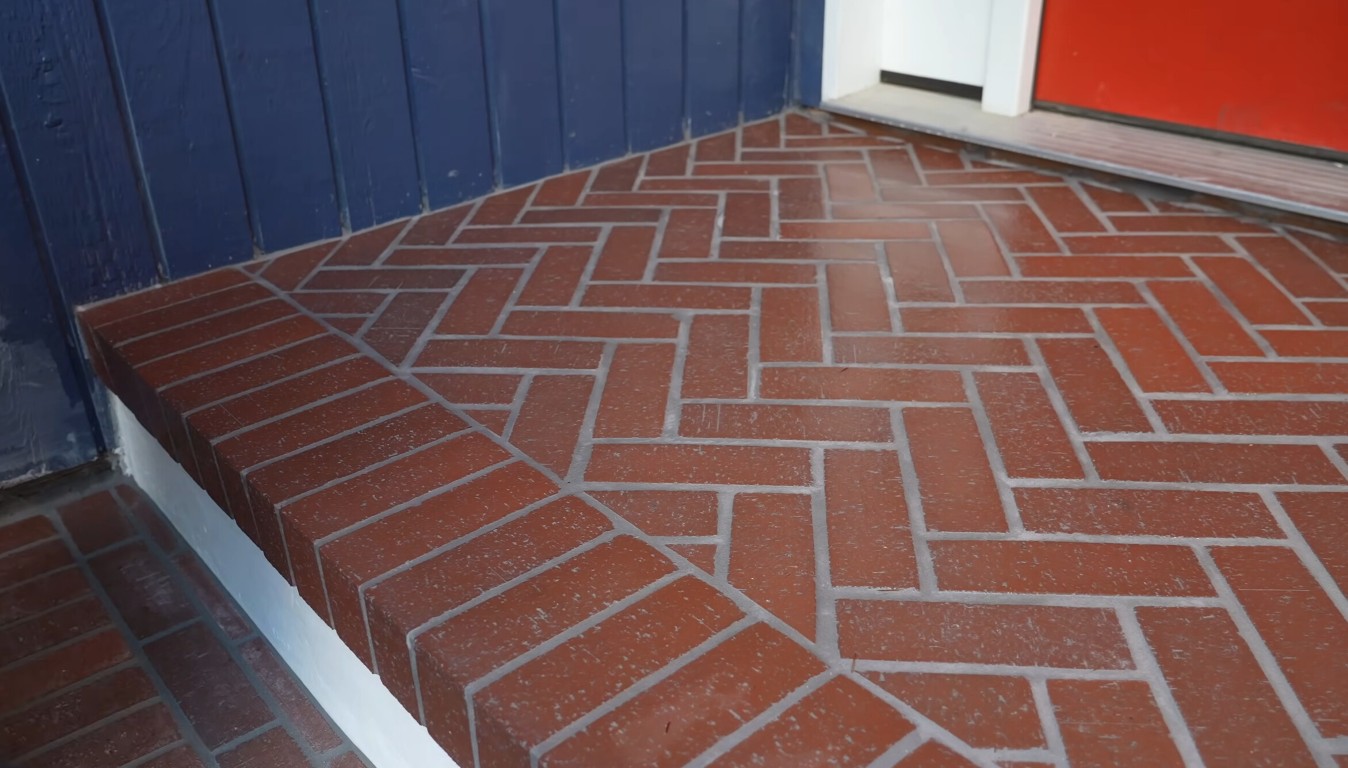
Classic and timeless, red brick steps complement traditional and colonial-style homes beautifully. Brick is durable, affordable, and easy to match if repairs are needed later. We can lay brick in various patterns like running bond, herringbone, or basketweave to create visual interest. Brick does require periodic repointing, but it lasts for generations with basic maintenance.
Flagstone, bluestone, limestone, and granite offer upscale appearance and incredible durability. Each stone has unique color variations and texture. Stone steps are more expensive than brick or pavers, but they add significant curb appeal and require very little maintenance. We select stones carefully to ensure consistent step height and proper traction.
Modern pavers come in styles that mimic natural stone and brick at a lower cost. They're manufactured to uniform dimensions, making installation faster and more precise. Pavers are highly durable, resist fading, and individual units can be replaced easily if damaged. We use pavers rated for freeze-thaw resistance even though Fontana rarely freezes.
Your steps should complement your home's exterior materials and architectural style. We can match existing brick color and texture for additions. For new construction, we'll show you samples and photos of completed projects to help you choose. We also consider how your steps will coordinate with any patio or walkway projects you're planning.
Lighting is another consideration. Low-voltage step lights improve safety and create welcoming nighttime appeal. We can prep for lighting during construction or add it to existing steps.
Safe, beautiful steps start with a free consultation and honest estimate.